
Our Story
The King of the Hill Foundation was created with a simple but powerful belief: early detection changes lives.
Type 1 Diabetes often arrives without warning. For many families, diagnosis comes only after a medical emergency - a moment that forever changes their lives. We believe it doesn’t have to be that way.
King of the Hill Foundation was created with a clear purpose: to help prevent Type 1 Diabetes through early screening and education. By increasing awareness and access to early detection, we aim to give families something invaluable - time, knowledge, and the ability to act before a crisis occurs.
Through local and national partnerships, education, and advocacy, we are working to ensure that families everywhere understand the importance of early screening and the power of prevention.
Our Foundation is deeply personal to us. It is rooted in family, community, and the belief that proactive care can change and even save lives. Every step forward - every conversation, screening opportunity, and shared resource - brings us closer to a future where fewer families face unexpected diagnoses and more individuals are protected through early action.
Thank you for being here, for supporting this mission, and for helping us change the future of Type 1 Diabetes.
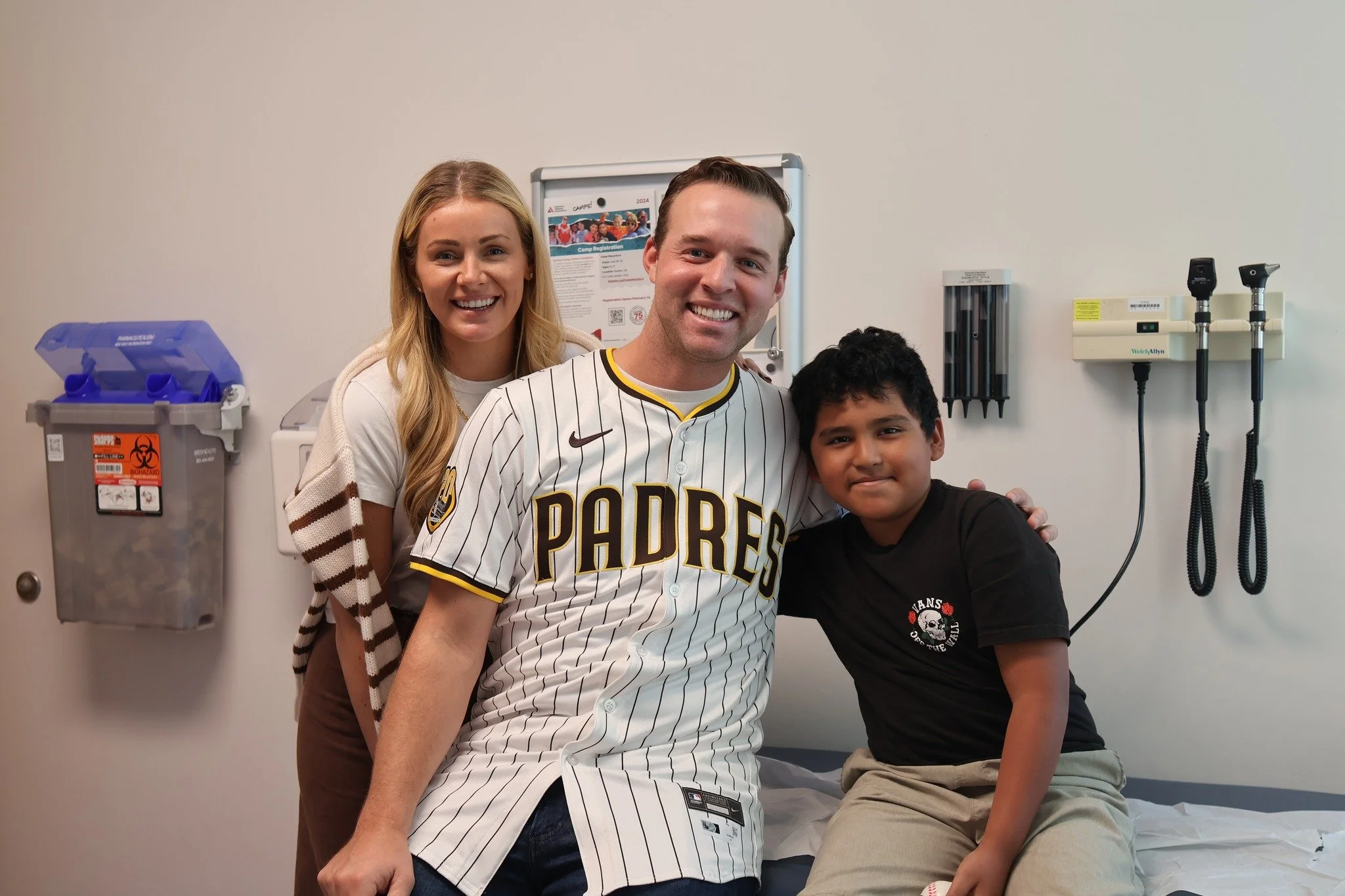
Our Values
Prevention First - Knowledge is power when shared early
Community Driven - Local impact with national reach
Action Oriented - Turning awareness into measurable outcomes
Family Focused - Supporting individuals and their families every step of the way
Our Mission
Preventing Type 1 Diabetes Through Early Screening & Education
Our mission is to reduce the impact of Type 1 Diabetes by:
Expanding access to early screening
Educating families and communities
Supporting research-backed prevention initiatives
Partnering with organizations that share our commitment

Impact
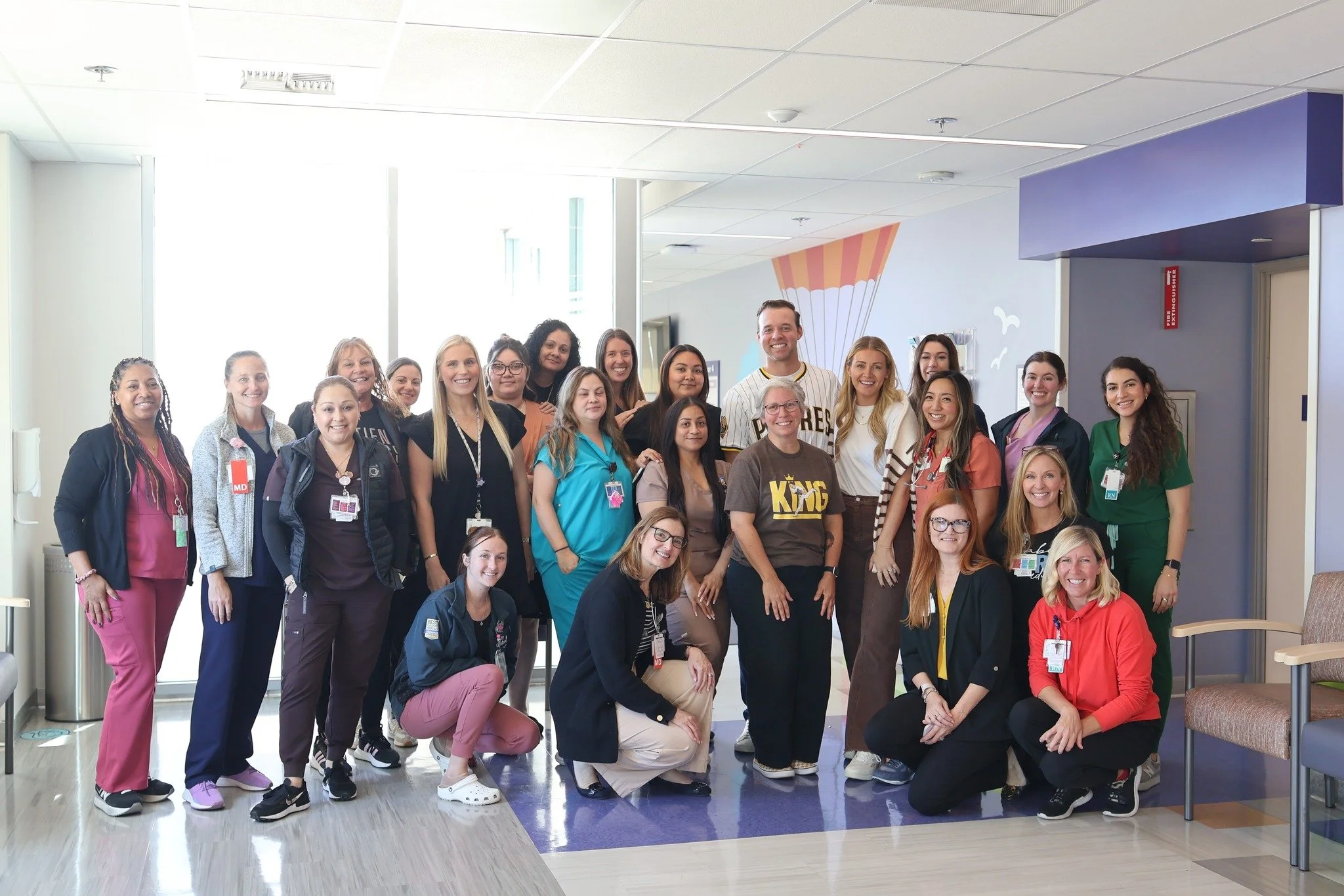
What Impact Looks Like To Us:
More families educated on early warning signs
Increased access to screening opportunities
Stronger community partnerships
Reduced cases of late-stage diagnosis